In an era where tracking devices have become everyday essentials, Apple AirTag plays a vital role in helping users efficiently find lost items such as keys, luggage, or personal belongings. This article explains the strengths of AirTag compared with its main rivals, as well as updates on emerging technologies and important security topics that users should know about.
What Is AirTag and How Does It Work?
AirTag is a small tracking device from Apple that uses the Find My network to identify the location of attached items. With Bluetooth Low Energy (BLE) and Ultra-Wideband (UWB) technology, users can locate objects precisely, especially when paired with iPhones equipped with the U1 chip.
AirTag vs. Key Competitors
1. Google Find My Device Network
Google has launched the Find My Device Network, similar to Apple’s system, utilizing over a billion Android smartphones worldwide to help locate lost devices. The advantages include extensive Android coverage and the ability to locate devices even when offline.
However, the drawback is that the system is still under development, and the number of compatible devices remains limited compared to AirTag.
2. Samsung SmartTag and SmartTag+
Samsung offers SmartTag and SmartTag+, known for their compatibility with Galaxy devices and UWB-based precision tracking similar to AirTag. A major advantage is the ability to control IoT devices through SmartThings, though usage is restricted to Samsung’s ecosystem.
Overall Comparison
- Accuracy: AirTag and SmartTag+ provide the highest precision with UWB.
- Network Scale: Apple’s Find My network is denser, thanks to the large global iPhone user base.
- Compatibility: Google Find My Device best suits Android users, while AirTag integrates seamlessly with iOS.
Updates on Precision Finding and AR-Based Searching
One of the most popular AirTag features is Precision Finding, which displays direction and distance to the lost device with high accuracy. Recently, Apple is expected to update support for AR (Augmented Reality) searching, allowing users to view arrows or navigation overlays on real-world camera images, making it easier to locate items in complex places like airports or malls.
Privacy and Legal Considerations in Tracking Device Usage
Privacy and security lie at the heart of tracking tools like AirTag. Apple and Google have collaborated to establish a new cross-platform standard for unwanted tracking alerts, notifying both iOS and Android users if an unknown tag is moving with them.
Furthermore, updates to legal frameworks in 2025, such as the Tracking Device Act 2025, aim to enhance device identification transparency, safeguarding user rights and preventing misuse.
Collaboration with Airlines and Service Businesses
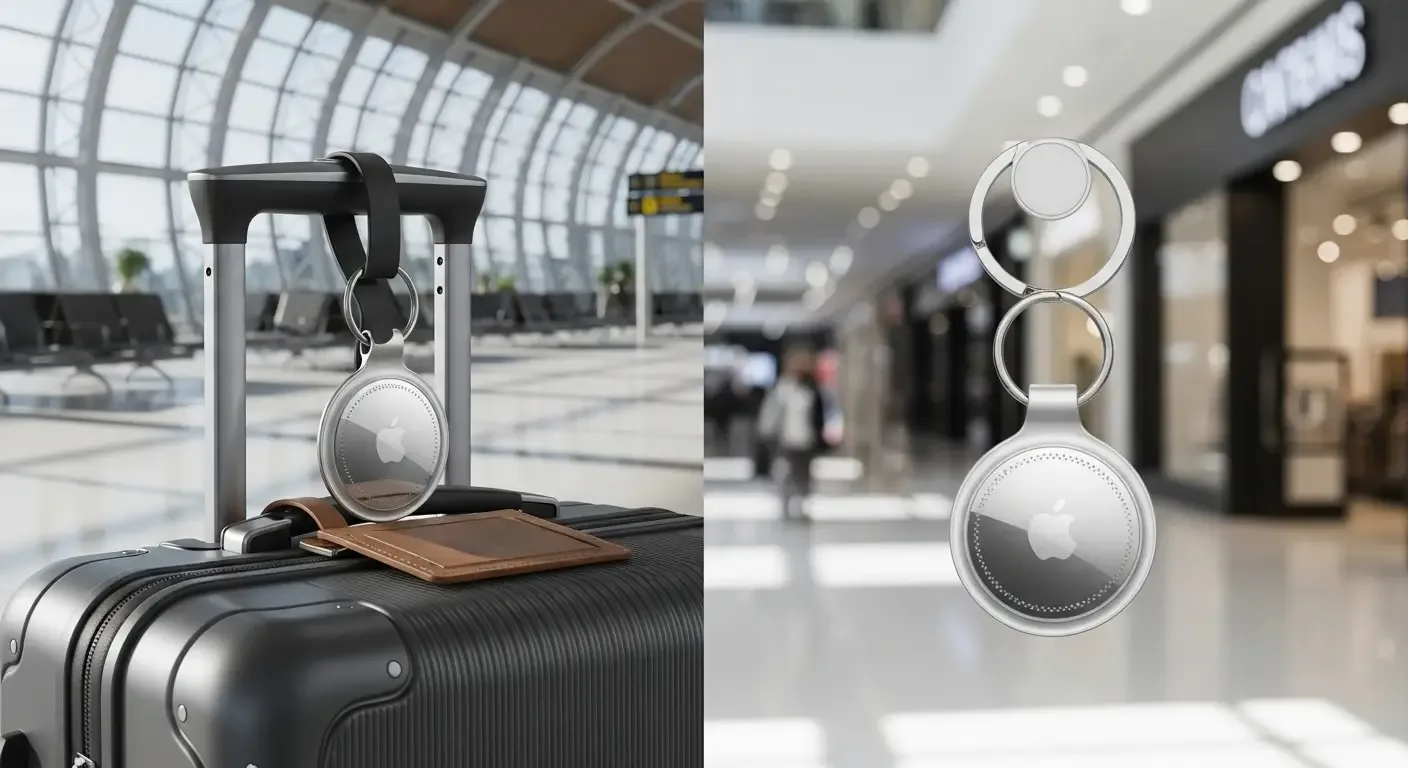
Many airlines now support using AirTags and other tracking devices in luggage. According to the International Air Transport Association (IATA), low-power BLE and UWB devices are permitted on board. Additionally, some shopping malls and logistics companies are developing platforms integrated with the Find My network to offer customers more official and secure tracking solutions.
AirTag 2: New Expectations for 2025
Although not yet officially announced, rumors surrounding AirTag 2 are increasing. Expected new features include:
- Rechargeable battery instead of replaceable coin cells
- Louder and clearer alerts for easier item location
- More varied and slimmer designs for versatile attachment options
If these features materialize, AirTag 2 could become the ideal everyday tracking solution.
Frequently Asked Questions (FAQ)
1. Can AirTag Work with Android?
Some functions work, such as scanning unknown tags via NFC. However, real-time setup or location tracking still requires an Apple device.
2. How to Prevent Being Secretly Tracked by an AirTag?
Check notifications from your compatible iPhone or Android device and use available tools to detect unknown trackers. Remove the AirTag’s battery immediately if you suspect being tracked.
3. Can AirTag Be Used with Luggage?
Yes, and it’s one of the most popular uses. Many airlines confirm that AirTags are safe for checked baggage according to IATA standards.
Conclusion
Tracking devices like AirTag continue to enhance user experiences with convenience, safety, and innovation—especially with upcoming AirTag 2 upgrades such as AR-based finding and wider network connectivity. While competitors like Google and Samsung advance their systems, Apple’s Find My network remains the leader in precision and reliability.
References
- Apple Support – How to set up and use AirTag
- Google Safety Center – About unknown tracker alerts
- International Air Transport Association (IATA) – Regulations on electronic devices in luggage
- Major airline websites – Policies on items allowed in carry-on and checked baggage