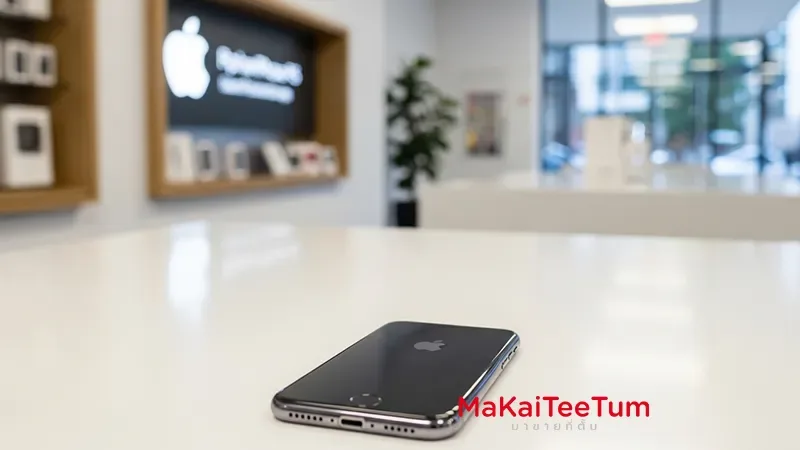
If you’re considering buying an iPhone at a lower price point, you may come across terms like “used” and “refurbished”. Though both are pre‑owned, the differences in quality, condition, warranty, and peace of mind can be significant. Below is an in‑depth guide explaining everything you need to know.
1. Definitions
Used iPhone (Pre‑owned / Second‑hand) refers to a device sold “as‑is”, with no professional restoration, quality inspection, or warranty. Sellers typically rely on buyer trust and description accuracy.
Refurbished iPhone is a pre‑owned device that has been professionally tested, repaired if necessary (e.g. battery or display replaced), cleaned, reset to factory settings, and graded before resale. Often includes a warranty and return policy.
2. Restoration and Testing Process
- Used: Sold in its current condition without technical checks or part replacements.
- Refurbished: Undergoes rigorous inspection and testing. Faulty parts (battery, screen, logic board) are replaced or repaired. Data is wiped and the device is reset.
3. Warranty, Return Policy, and Support
Used iPhones usually carry no warranty or return policy. Once sold, it’s buyer beware. Refurbished iPhones, especially from trusted sellers or Apple‑certified programs, often include a 6–12 month warranty, return period, and customer support ().
4. Battery Health and Cosmetic Condition
Used phones may have unknown battery health and physical wear. Conversely, refurbished iPhones typically guarantee a minimum battery health—often ≥ 80% or replaced entirely—and are graded (e.g. Grade A/A+, Excellent, Good) based on cosmetic condition ().
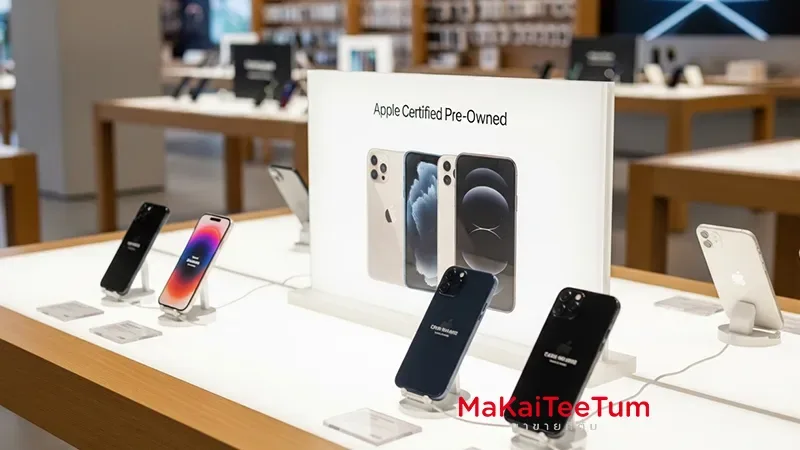
5. Price vs Quality Balance
Used devices often cost the least, but carry higher risk. Refurbished devices are priced slightly above used—but well below new—while offering significantly higher reliability and buyer protection ().
6. Environmental Benefits
Both used and refurbished options help reduce electronic waste. Refurbished devices extend lifecycle further through repair and restoration, making them especially eco‑friendly ().
7. Risks to Watch For
- No verification of IMEI/blacklist status in used devices—risk of stolen or blocked phones.
- Battery degradation or hidden hardware issues.
- Refurbished standards vary widely; ensure seller uses quality parts and offers clear grading, battery and warranty info ().
8. Quick Comparison Table
| Aspect | Used iPhone | Refurbished iPhone |
|---|---|---|
| Inspection & Repair | None | Full testing & part replacement |
| Battery Condition | Unknown/possibly poor | Tested or replaced (≥ 80%) |
| Cosmetic Grade | Varied, potentially heavy wear | Graded: A, Excellent, Good |
| Warranty | Usually none | 6–12 months or more |
| Price | Lowest | Moderate (below new) |
| Risk Level | High | Relatively low |
9. Recommendations
If you want the most affordable option and are willing to take the risk, a used iPhone may suit—but ensure you verify IMEI, battery and return policy. For better reliability, choose a refurbished iPhone from a reputable seller or manufacturer like Apple, Back Market, Swappie, Swappa, Amazon Renewed or Gazelle ().
Need help evaluating or getting a price estimate?
Call: 064‑564‑7945 or Add Line: @KunTum to chat with us for expert guidance, price quotes, and trustworthy purchase advice.
Summary: A refurbished iPhone is a professionally restored device offering much greater reliability, warranty, and consumer protection, for a slightly higher price than a used iPhone. Used devices may save money upfront but come with higher risks.
For more guidance about trading in or selling your Apple device, feel free to reach out—we’re here to help.