In 2025, reselling an iPhone is no longer just about negotiating price between buyer and seller. Key factors like eSIM, repair history, Apple’s trade-in programs, and AI-driven diagnostics now play a crucial role in determining the value of a used device. This article covers every major aspect to help you fully understand today’s evolving iPhone resale market.
eSIM and Reselling: What Buyers and Sellers Need to Know
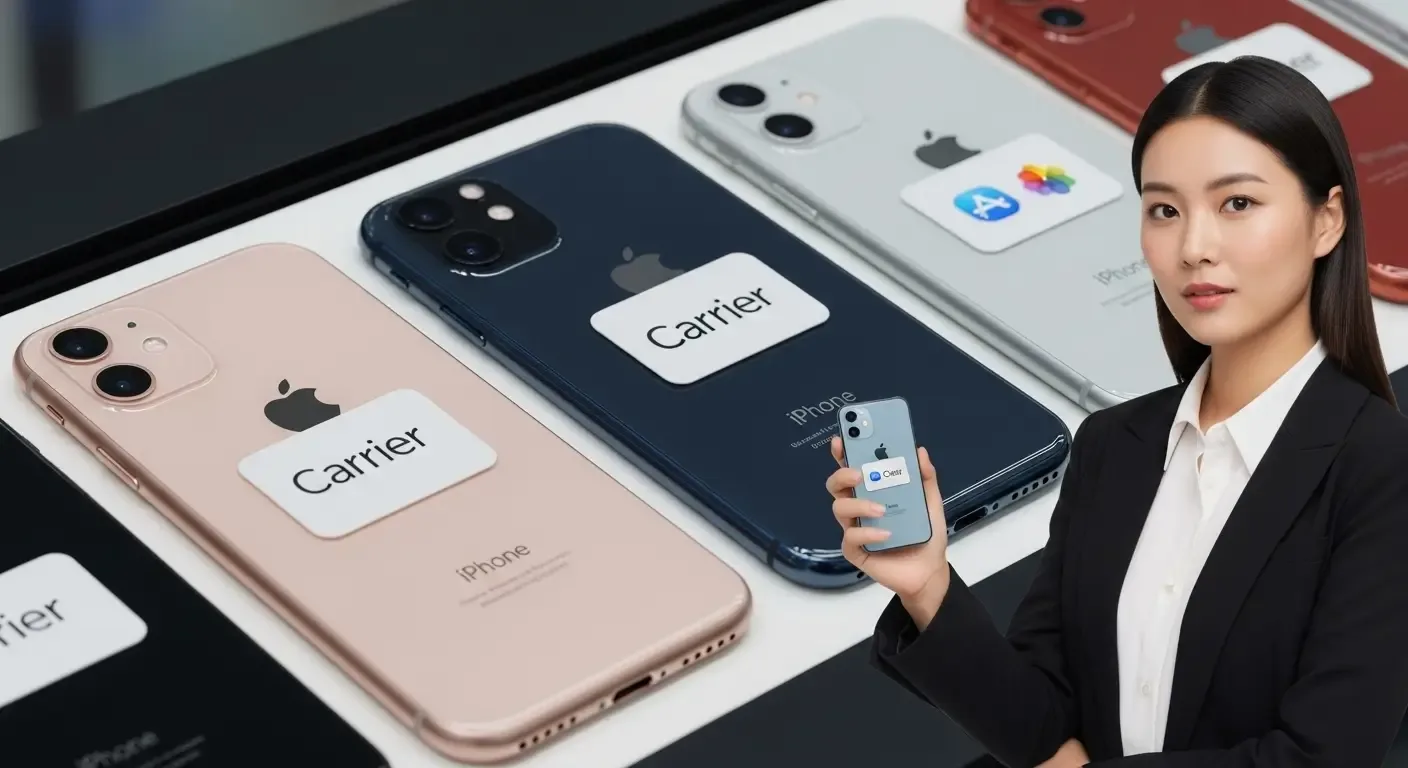
The arrival of the eSIM makes iPhone usage more convenient by removing the need for physical SIM cards. However, it also adds complexity to reselling — especially for carrier-locked devices from providers like True, AIS, or Dtac. Unlocking an eSIM often requires owner verification and can take more time compared to a traditional SIM card.
What buyers should check before purchasing a second-hand eSIM iPhone:
- Verify that the device is truly network unlocked.
- Request official confirmation of contract cancellation from the original carrier.
- Compare resale values of eSIM-locked versus unlocked devices — locked units typically sell for 10–15% less.
In the ขายต่อ iPhone eSIM market, most buyers prioritize proper eSIM ownership transfer and prefer devices that have been legally unlocked and data-wiped to prevent identity verification issues later on.
Impact of the Right to Repair Law and Repairs
By 2025, the Right to Repair movement significantly influences how people buy and sell iPhones. Consumers are becoming more aware of repair history, use of genuine parts, and device transparency. Apple has added new iOS features that allow users to view repair records, such as screen or battery replacements. If non-genuine components are detected, the phone will display “Unknown Part.”
Tips for sellers:
- Disclose repair history honestly to build trust with buyers.
- If the phone was repaired outside an authorized center, include receipts or service details.
- Devices that retain original Apple components typically sell for 5–20% more.
Buyers can check repair details in Settings under “General → About” for notes related to new parts, helping them assess value and avoid risky purchases in the future.
AI Tools for Device Condition Assessment
AI technology has become a vital part of used-device evaluation. New apps and services leverage artificial intelligence to analyze hardware conditions beyond simple Battery Health checks — for instance, testing sensors, cameras, speakers, dead pixels, and even real-time processor performance.
In 2025, AI ตรวจสภาพเครื่อง becomes the new standard across the resale market. Sellers can use it to estimate fair pricing before listing, while buyers can confirm device quality before payment — ensuring greater transparency in every transaction.
Popular services use machine learning to process sensor data for device health scoring or connect to service databases for online access to repair and part replacement history.
Trade-In Programs and Dynamic Pricing Systems
Another popular resale channel is Apple’s Trade-in program and its partners. As of 2025, these programs use Dynamic Pricing systems that adjust valuation in real time based on market demand, product condition, and sustainability metrics (Sustainability Score).
Key factors influencing trade-in value:
- Repair history and authenticity of replacement parts.
- Sustainability indicators, such as battery longevity and total usage time.
- Market trends and the launch timing of newer iPhone models.
While trade-ins are convenient, fast, and safe, sellers should still compare with independent market prices to ensure the best possible return.
Best Practices for Buying and Selling iPhones in 2025
- Check eSIM and network unlock status before buying or selling.
- Use AI-based diagnostic tools for transparent condition verification.
- Disclose all repair history to build buyer confidence.
- Compare resale listings with official trade-in values.
- Be cautious with carrier-locked or modified devices.
Overall, reselling an iPhone in 2025 requires data awareness, smart use of technology, and an understanding of new systems to secure the best price and minimize risks.
FAQ: Frequently Asked Questions
1. How can I tell if my iPhone’s eSIM is unlocked?
Check under “Settings → General → About.” If the device shows “No SIM restrictions,” it’s unlocked. If it states “Network locked,” contact the carrier to unlock before reselling.
2. Does third-party repair affect resale value?
It depends on which parts were replaced. Genuine battery replacements usually have minimal impact, while third-party screen or camera replacements can trigger “Unknown Part” notifications that may reduce value by up to 15–25%.
3. How accurate is AI device condition analysis?
Modern AI diagnostics can process hundreds of data points — including vibration sensors, camera performance, and sound systems — to generate an accurate health score. It’s significantly more precise than manual inspection and is becoming a global standard in the resale industry.
References
- Apple Trade In (Thailand): Official platform for checking trade-in values.
- iFixit: To review repairability scores and part details.
- NBTC Thailand: For official updates on device locking and eSIM regulations in Thailand.