Selling an iPhone that’s still tied to a mobile carrier contract—commonly referred to as “carrier‑locked”—can lower its resale value and limit buyer interest. But is unlocking it before sale possible? And if so, how? In this guide, you’ll learn everything step‑by‑step: when unlocking is allowed, how to request it, what impact it has on resale value, and alternatives if unlocking fails.
What Is a Carrier‑Locked iPhone?
A carrier‑locked iPhone is restricted to work only on a specific mobile network. This lock is often imposed when the device is sold under a contract or subsidy arrangement ([Wikipedia](https://en.wikipedia.org/wiki/SIM_lock)) [oai_citation:0‡linkedin.com](https://www.linkedin.com/pulse/how-unlock-apple-iphone-16-pro-max-any-carrier-tanjena-akter-vv7ic?utm_source=chatgpt.com) [oai_citation:1‡lifewire.com](https://www.lifewire.com/unlock-an-iphone-6749118?utm_source=chatgpt.com). The phone won’t accept SIM cards from other providers until it is officially unlocked.
- Common when iPhones are sold with contract discounts or installment plans.
- Limitations: resale pool is smaller, lower offers, or refusal by buyers.
✅ Can You Unlock a Locked iPhone Before Selling?
Yes—but only through the original carrier. Apple itself does not unlock phones; unlocking can only be processed at the network operator who holds the lock ([Apple Support](https://support.apple.com/en-us/109316)) ().
- Check eligibility: account must be paid off or contract completed.
- Submit unlock request via carrier’s website, customer service, or retail store.
- Wait the processing period (typically a few days).
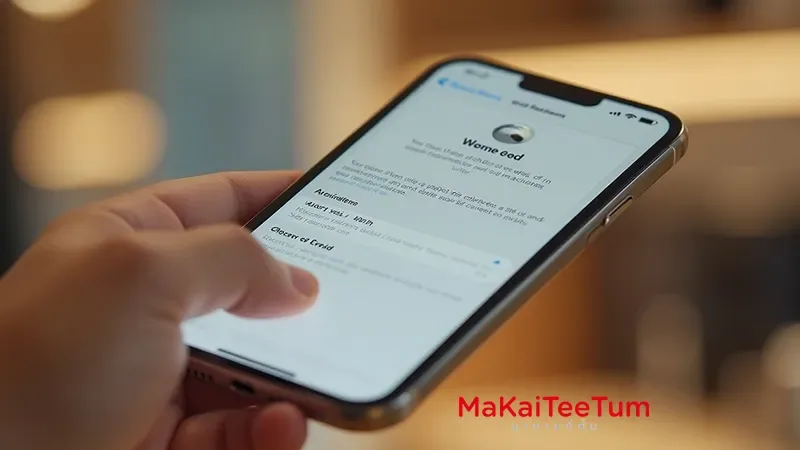
- Once unlocked, “Carrier Lock” in Settings → General → About shows “No SIM restrictions.”
Steps to Unlock Your iPhone Before Selling
- Contact the carrier that the phone is locked to and request an unlock.
- Provide IMEI, account details, and confirm contract/payment status.
- Wait for approval—most carriers unlock within 1–7 days.
- After confirmation, remove old SIM, insert different carrier SIM to test.
- Alternatively back up and factory reset the iPhone; restore backup and check “No SIM restrictions.”
⚠️ What If Unlock Is Not Approved?
If you’re still under contract, haven’t paid off the phone, or do not meet carrier policies, the carrier may refuse unlock ().
- You may need to wait until contract ends or device is fully paid.
- Consider informing potential buyers about the lock status upfront.
- Use third‑party unlocking services only as a last resort—with caution.
How Locked Status Affects iPhone’s Resale Value
A locked iPhone typically fetches 10–25% less than an unlocked version due to limited buyer flexibility. Buyers may assume they’ll be stuck or face roaming limitations. An unlocked iPhone opens up both domestic and international resale markets ([Lifewire](https://www.lifewire.com/unlock-an-iphone-6749118)) ().
Alternatives If Unlocking Isn’t Feasible
- Sell as locked—for a lower fixed price—but clearly disclose lock status.
- Offer price discount or sell to buyers in same carrier network.
- Wait until contract completes, then unlock and sell later.
- Trade in to carrier or Apple with full disclosure—some trade-in programs accept locked devices with lower credit.
Summary Table: Carrier‑Locked iPhone Selling Options
- Unlock via Carrier: Best resale value, legal, recommended.
- Locked sale (disclosed): Accepts lower offers, limited pool.
- Third‑party unlock service: Risky, may void warranty, use caution.
- Trade‑in programs: Convenient, but offers lower than private sale.
Why This Matters for Sellers
- Trust & transparency: Buyers confident with unlocked devices.
- Wider market: Unlocked phones attract international or cross‑carrier buyers.
- Higher offers: Resale value is higher and more competitive.
Need help unlocking your iPhone or getting resale advice?
We can assist with eligibility checks and negotiation tips to maximize your sale.
Call: 064-564-7945
Line ID: @KunTum