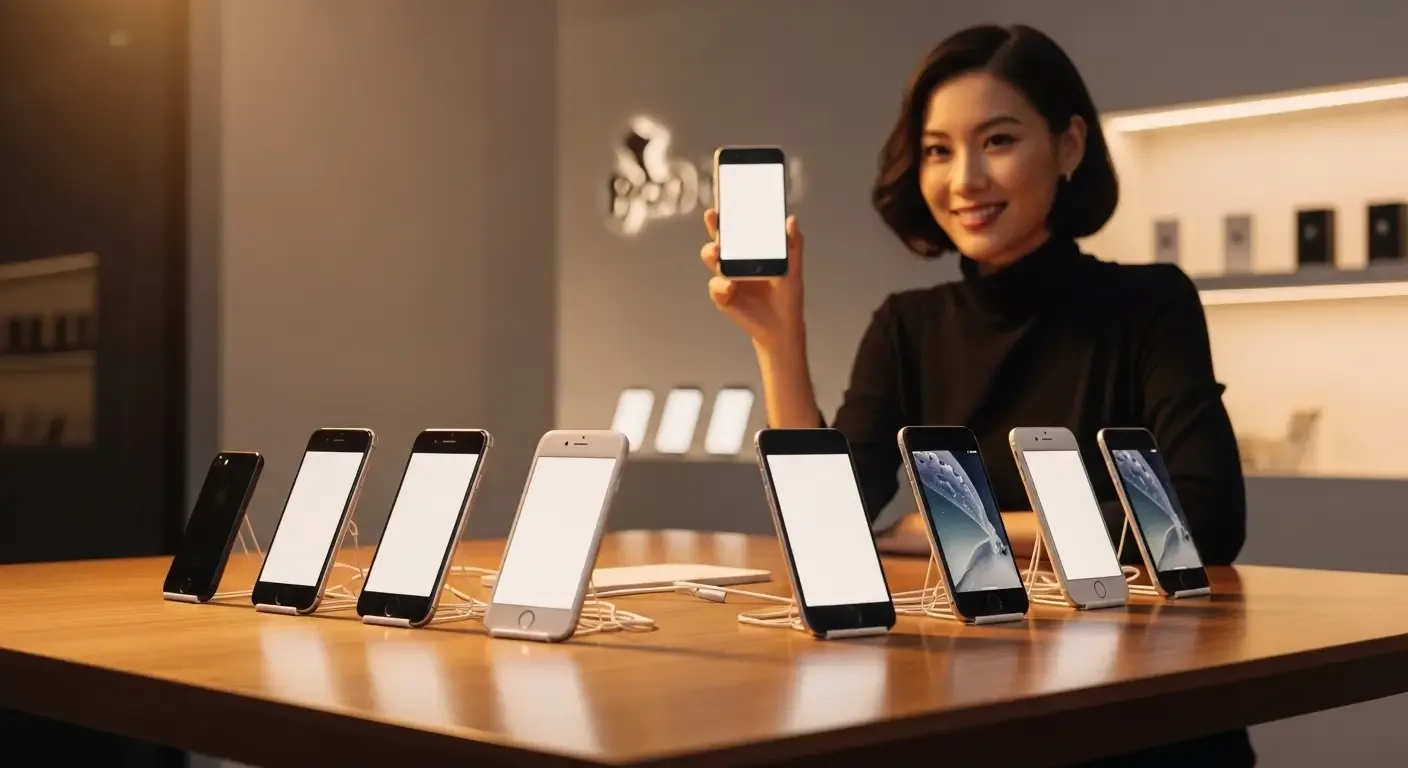
The used iPhone market is gaining significant attention in 2025, as many users look for more cost-effective options while still enjoying features and security close to new devices. This article explores the factors that make used iPhones retain high value, covering technology, AI performance, sustainability, and brand equity, along with comparisons to flagship smartphones from direct competitors.
Why Used iPhones Remain Attractive
When considering used smartphones, consumers often focus on quality, value, and reliable software support. iPhones stand out thanks to their strong Brand Value, which ensures resale prices don’t drop too quickly.
Software Updates and Security
The biggest advantage is long-term software updates. Older iPhone models can support the latest iOS versions for many years. Equally important are the regular security patches, ensuring users are protected even with a used iPhone.
AI Performance and Future-Proof Chipsets
Another key selling point is the strength of Apple’s A-series chips with high-performance Neural Engines. For instance, older models like the iPhone 12 or 13 can still handle the latest AI features on iOS smoothly. This gives iPhones an edge over competitors, where OS updates may arrive but certain AI features are limited or unavailable.
Sustainability and Right to Repair
Apple is actively promoting sustainability by increasing the use of recycled materials and introducing the Self Service Repair program, which allows users to replace batteries or screens themselves. These factors increase buyer confidence in used iPhones, as maintenance and repairs become more convenient.
Comparisons with Other Brands
Competitors are extending software support, with the Samsung Galaxy S Ultra series and Google Pixel offering longer OS updates. However, in terms of secondary market stability and brand value, iPhones still outperform, giving them better long-term resale value.
Used iPhone Prices and Trade-in 2025
According to the official Apple Trade In program, iPhone trade-in values remain higher compared to flagship Android models. Market comparison platforms like SellCell and BankMyCell also report that iPhones depreciate more slowly than rival brands.
Checks Before Buying a Used iPhone
Before purchasing a used iPhone, buyers should check:
- Battery Health
- Compatibility with the latest iOS version
- Physical condition and casing
- Status check with Apple to ensure it’s not iCloud locked
Frequently Asked Questions (FAQ)
Q: Which used iPhone is the best value in 2025?
The iPhone 13 and iPhone 14 remain excellent choices, offering support for the latest iOS, new AI capabilities, and strong battery performance.
Q: Is it safe to buy a used iPhone?
Yes, if the device has been carefully inspected and purchased from a reputable store, with verified iCloud unlock status. In such cases, buying a used iPhone can be safe.
Q: How long do used iPhones continue receiving updates?
Typically, Apple provides software support for 5–6 years after release, which is longer than most Android phones.
Conclusion
The used iPhone market in 2025 remains extremely appealing due to strong AI performance, ongoing security updates, sustainability efforts, and repair rights. Combined with superior value retention compared to competitors, investing in a used iPhone is still a worthwhile and reliable choice for buyers seeking long-term quality and confidence.
References
- Used Smartphone Market Report from IDC and Counterpoint Research
- Smartphone depreciation statistics from SellCell and BankMyCell
- The Apple Trade In official program
- Repairability Scores and analyses from iFixit