Every year, Apple releases new iPhone models with upgraded design, performance, and features. This drives many users to upgrade right away — pushing millions of older iPhones into the second-hand market. This article explores how the iPhone second-hand market will evolve in the future when Apple continues launching new models annually.
Current State of the Used iPhone Market
The second-hand mobile market in Thailand continues to grow, with iPhones being especially popular thanks to their durability, long software support, and strong resale value compared to other brands.
- Budget-conscious buyers: Many consumers want an iPhone but can’t afford the latest models at full price.
- Older models still powerful: iPhones released 3–4 years ago remain fast and capable, still supported by iOS updates.
- Easy online trading: Platforms like Facebook Marketplace, Shopee, and Lazada make buying and selling much more accessible.
Impact of New iPhones Launching Every Year
1) Rapid price depreciation
When new models arrive, the resale value of previous iPhones drops almost instantly — usually 10–20% — making timing critical for sellers, but good for bargain hunters.
2) Shorter upgrade cycles
More users are now upgrading every 1–2 years instead of the traditional 3–4 years. This increases the supply of lightly used devices on the second-hand market.
3) Intense competition
With more second-hand devices available, competition rises among individuals, online sellers, middlemen, and even refurbished resellers — keeping resale prices realistic and fair.
Future Trends in the Second-Hand iPhone Market
1) Buyers will focus on “value for money”
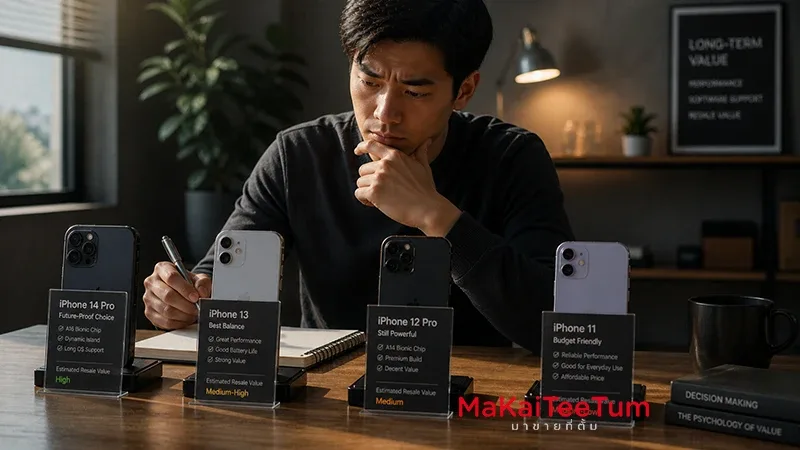
Models 2–3 years old, with good cameras, strong battery life, and iOS support, will remain in high demand.
2) More premium-condition used iPhones
Since people upgrade faster, more near-mint iPhones (with good battery health and original displays) will flood the market.
3) Platforms will evolve for trust and safety
Expect features like verified device checks, resale price benchmarks, escrow payments, and short-term warranties (7–15 days) to become standard.
Seller Strategies
- Sell at the right time: Ideally before or right after a new model is announced to maximize resale value.
- Keep everything complete: Box, charger, and proof of purchase increase buyer confidence.
- Be transparent: Disclose any defects, provide detailed photos, and test all functions to reduce disputes.
- Choose safe platforms: Trade on platforms with verification and buyer protection.
Buyer Strategies
- Research resale prices: Compare multiple sources before buying.
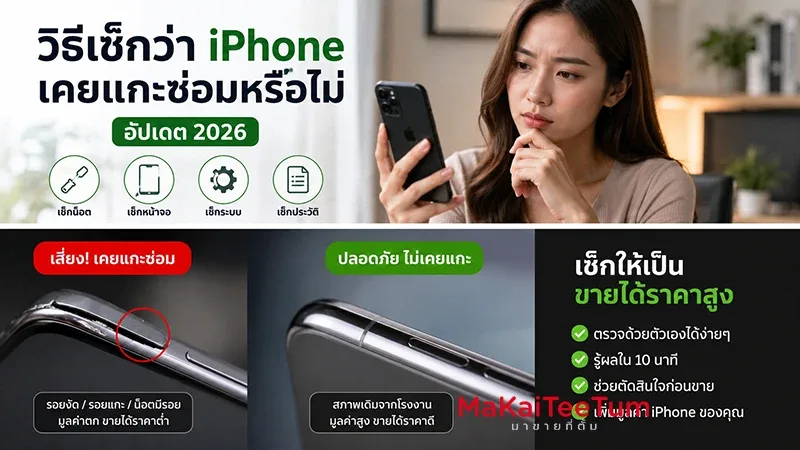
- Check key conditions: IMEI match, Battery Health ≥ 80%, screen, camera, speakers, mic, and charging port.
- Avoid risks: Ensure the device is not iCloud or SIM locked; ask the seller to erase/reset the phone in front of you.
- Prefer sellers with warranty: Shops with reviews and return policies reduce risks, even if slightly pricier.
FAQ
Which used iPhone model is the best value?
Models launched within the last 2–3 years, such as iPhone 13 or 14, as they’re still powerful and receive the latest iOS updates.
Is it safer to buy from a shop or an individual?
Shops with warranties are safer, while individuals may offer cheaper deals — it depends on your risk tolerance.
What should I check before buying a second-hand iPhone?
- IMEI/Serial number matches the box
- Battery Health ≥ 80% and no “unable to verify” warnings
- Screen, camera, sound, mic, charging port, and network functions all tested
Conclusion
Annual iPhone launches don’t slow the second-hand market — they accelerate it. This creates opportunities for sellers to get fair prices and for buyers to access great value devices. Staying updated with price trends, choosing the right timing, and verifying device conditions are the keys to getting the best deal on both sides.