Whether it’s the latest iPhone or an older model, if you’re planning to sell it, understanding what shops look for during the valuation process can make a big difference. This article highlights the 5 things shops usually check before offering a buyback price for your iPhone so you can prepare in advance and get a fair deal.
1. Physical Condition of the Device
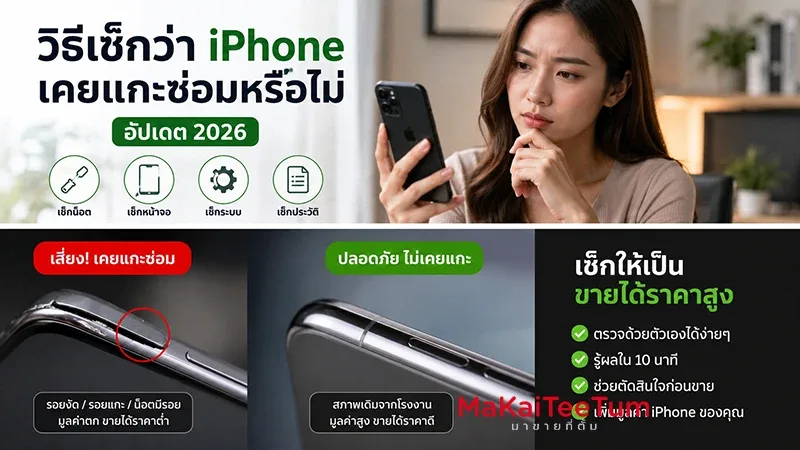
The first thing shops look at is the overall condition. Heavy scratches, dents, or a cracked screen can reduce the value significantly. On the other hand, a clean device with only minimal wear will fetch a better price.
Tips to improve appearance
- Clean the device thoroughly
- Remove the case so the shop can see the actual condition
- Be transparent if the device has been dropped or repaired
2. Functional Performance
Every core function of the iPhone will be tested: buttons, cameras, microphone, speakers, signal connectivity, charging, etc. If any function fails, the shop will adjust the price downward.
Functions commonly tested
- Front and rear cameras, including all shooting modes
- Face ID or Touch ID
- Wi-Fi, Bluetooth, GPS connections
- Speaker and microphone clarity
- Touchscreen responsiveness, no dead spots
3. Battery Health
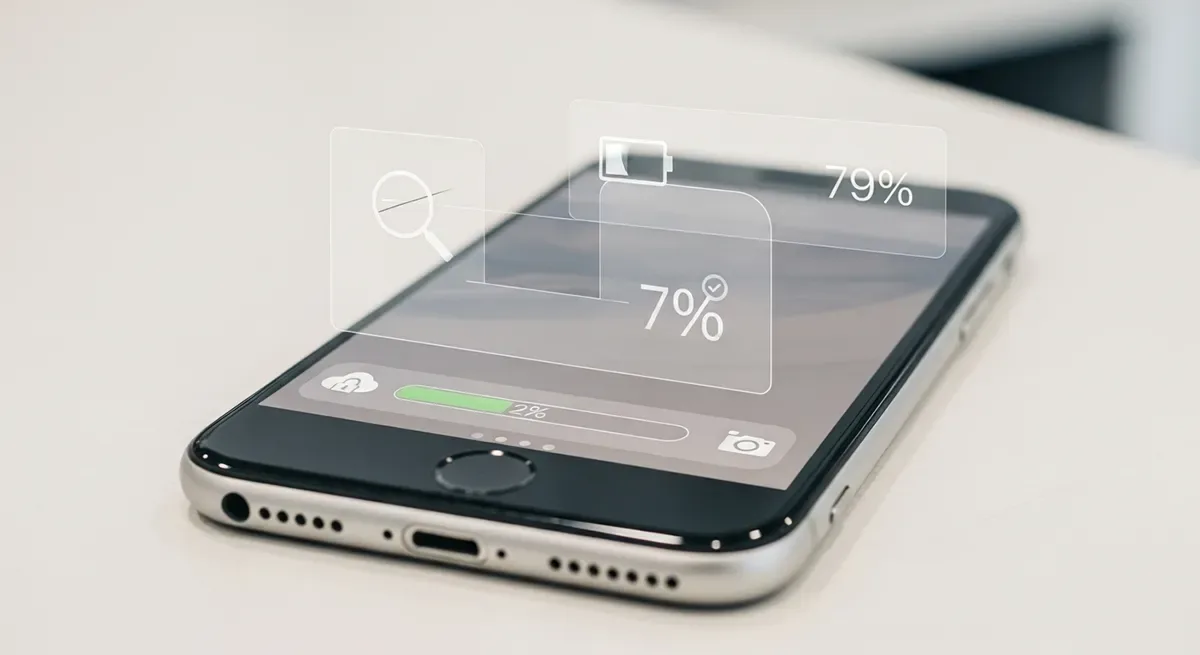
Within Settings, the Battery Health menu shows the maximum capacity. If it’s below 80%, most shops will reduce the offer. If a replacement battery is installed but not genuine, iOS may show a warning such as “Unable to verify this battery”, which also impacts resale value.
Recommendations
- Aim to sell before battery health drops below 80%
- Always replace the battery through Apple or trusted service centers
4. iCloud Lock and Find My iPhone
This is critical! iPhones that still have iCloud signed in or Find My iPhone enabled cannot be reset or resold legally. Shops will always verify that the device is iCloud-free and that Find My iPhone is disabled.
How to disable
- Go to Settings > [Your Name] > Find My > turn off Find My iPhone
- Sign out of iCloud completely
If the device is still tied to an Apple ID, most shops will refuse to buy it.
5. Model and Storage Capacity
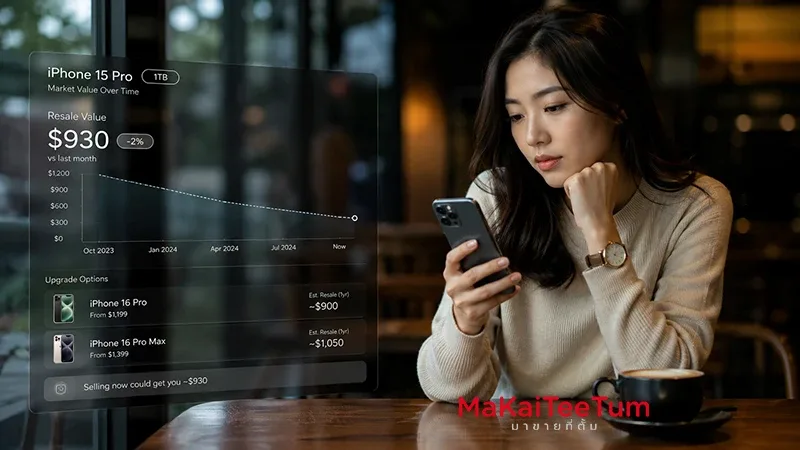
Finally, the shop will check which iPhone model you’re selling and its storage capacity. Higher storage models command higher prices, and newer generations retain value better.
Example pricing (illustrative)
- iPhone 13 Pro Max 512GB may be worth 5,000–10,000 THB more than an iPhone 13 128GB
- Older models like iPhone SE lose value quickly, even if in good condition
Shops often use the Serial Number or IMEI to verify additional details such as country of origin, activation date, and warranty status.
Extra Preparation Tips
- Back up your data via iCloud or iTunes
- Perform a full reset (Erase All Content and Settings)
- Remove the SIM card
- Bring the original box and accessories if available—they can increase the value slightly
FAQ
Q: Will minor scratches significantly reduce the price?
A: Small hairline scratches usually don’t matter much. If the device works well overall, the shop will still offer a good price.
Q: Does replacing the screen at a third-party shop affect value?
A: Yes. Non-genuine screens lower resale value even if the display looks fine.
Q: Does AppleCare coverage increase resale price?
A: Definitely. Shops prefer devices with active warranty coverage, often paying more for them.
Q: Is a purchase receipt required?
A: Not mandatory, but it helps verify ownership and builds trust with the shop.
Conclusion
By preparing your iPhone and addressing the 5 key checks—condition, functions, battery, iCloud status, and model—you can maximize resale value and ensure a smooth transaction. Knowing what shops look for will save you time, build trust, and help you get the best price for your iPhone.
Plan ahead, prepare your device, and sell with confidence for the best value.