Many people have faced the situation of dropping their iPhone in water—whether in a sink, caught in the rain, submerged at the beach, or spilled drinks. Water damage is one of the most common issues and raises the key question: Should you sell it as-is, or repair it before selling?
IP Water Resistance Ratings and Their Impact
Newer iPhones such as the iPhone 13, iPhone 14, and the latest iPhone 16 come with high-level water resistance ratings like IP68, with future models potentially moving toward IP69. These ratings suggest devices can withstand immersion in up to 6 meters of fresh water for 30 minutes. However, it’s important to note:
- Freshwater – Damage may be minimal if the phone is dried quickly
- Saltwater – Salt can cause corrosion that is difficult to repair
- Chemicals/Cleaning fluids – Can degrade protective coatings and circuitry
Understanding IP ratings and the difference between liquids is essential before trying to estimate resale value. (Keywords: IP69 water resistance, iPhone moisture indicator)
Where Can You Sell?
If you want to sell an iPhone affected by water—even one that no longer powers on—there are several places to consider:
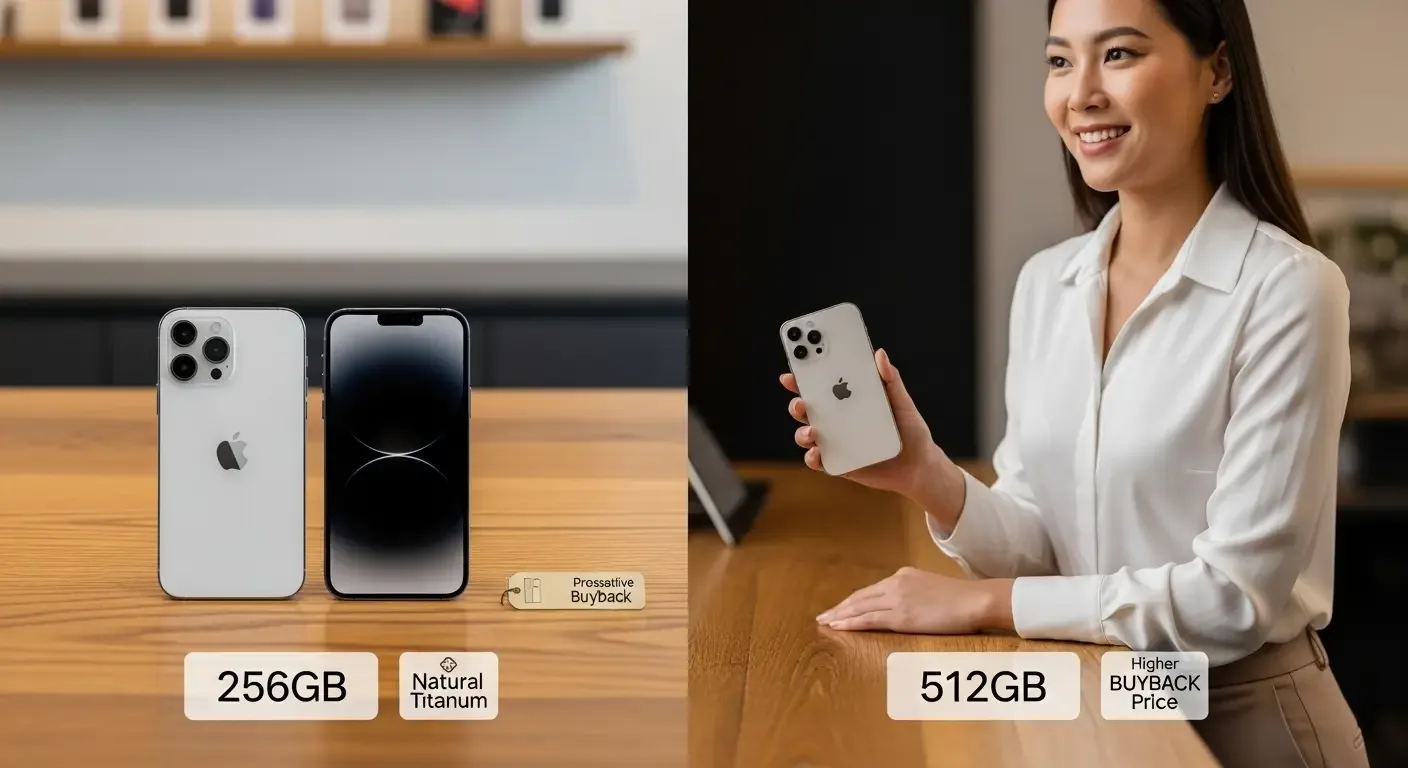
- Apple Trade In – Apple’s official trade-in program offers credit toward a new iPhone or other devices (Keywords: Apple Trade In water-damaged device)
- Apple Recycling Program – For devices with no resale value, Apple will responsibly dismantle and recycle them to reduce e-waste
- Independent mobile phone shops – Both local stores and online platforms often buy broken devices (Keywords: iPhone scrap buyers)
Make sure to check shop policies, transparency in pricing, and reviews from other users before choosing a buyer.
Repair Before Selling or Sell As-Is?
A common question is whether repairing first is worthwhile. The decision usually depends on three factors:
- Right to Repair – Users can choose independent shops or official Apple service
- Apple Self-Service Repair program – Provides access to manuals and genuine parts for DIY repair
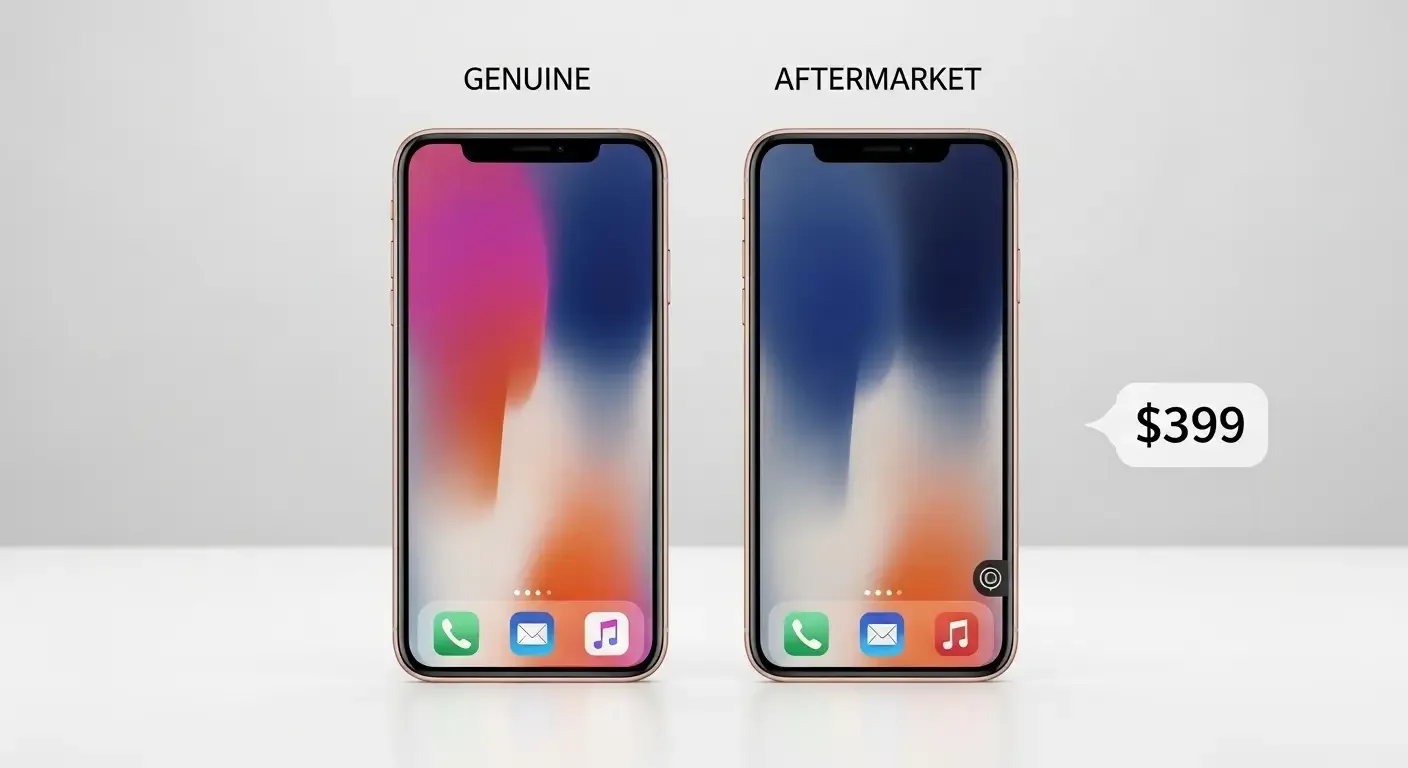
- Devices repaired with genuine parts may fetch higher prices, but poorly repaired phones could lose value
(Keywords: DIY iPhone water damage repair)
Using AI Tools to Estimate Device Condition
Today, apps and websites use AI to analyze damage and predict resale value before selling. These may include tools that scan for rust via photos or systems that check battery health and specs. AI provides more accurate and convenient decision-making for sellers.
(Keywords: AI valuation of damaged iPhone)
Legal Considerations
Sellers and buyers should review guidelines from the Office of the Consumer Protection Board (OCPB) to avoid disputes when selling second-hand devices. Always disclose true condition, including water damage, to prevent consumer complaints later.
FAQ: Frequently Asked Questions
Does a water-damaged iPhone 16 still have value?
It depends on the extent of damage. If it powers on and core functions work, Apple Trade In or buyers may still offer a good price. If it doesn’t turn on at all, value may be limited to recycling.
How can you check if an iPhone has water damage?
Apple includes a moisture indicator inside the device. If the indicator turns red, the device has been exposed to liquid.
Should you repair immediately or wait?
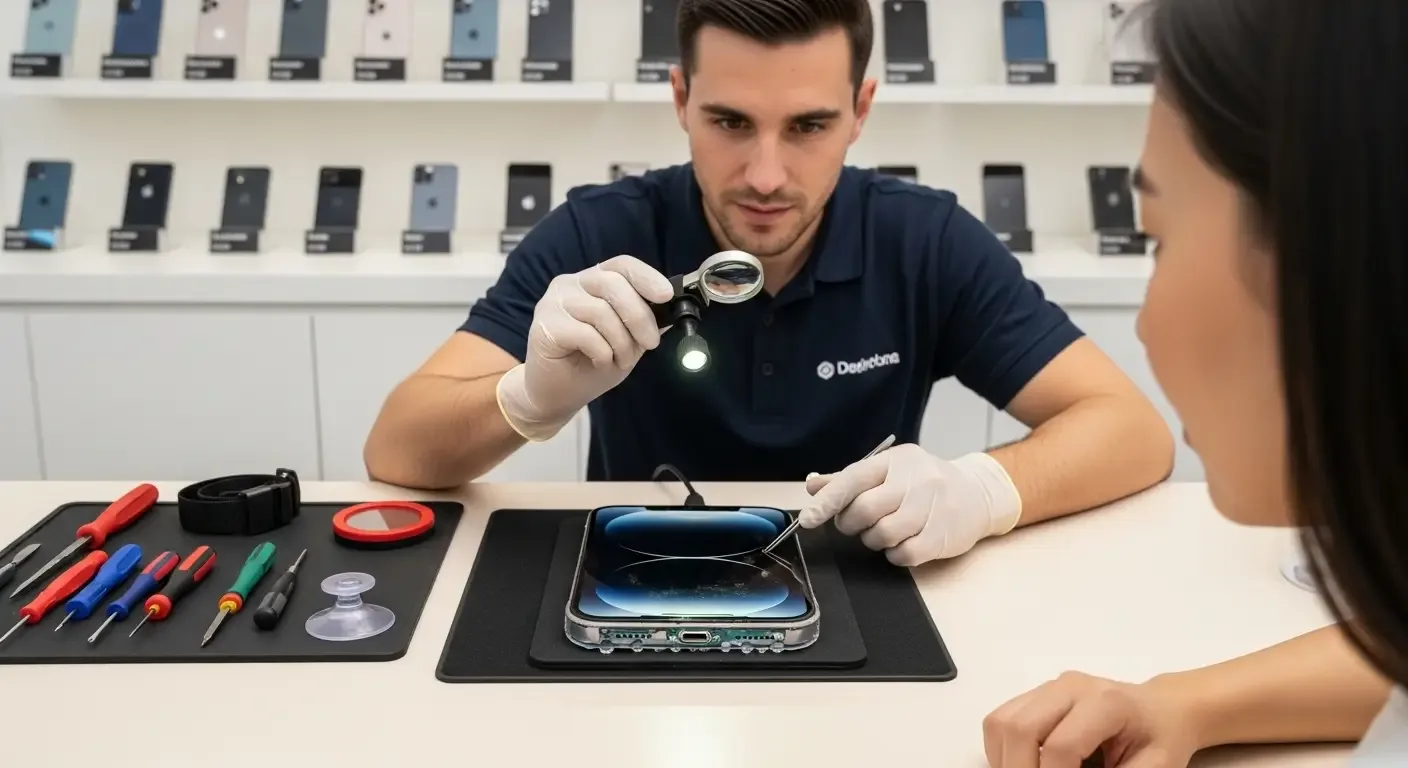
Delaying repairs risks worsening corrosion. It’s best to take immediate steps to dry and then consult a professional for thorough inspection.
Conclusion
Selling a water-damaged iPhone—whether older models or the latest iPhone 16 (2025)—requires weighing repair against selling as-is. Understanding water resistance ratings, repair rights, Apple’s programs such as Trade In, and AI-based condition assessments allows users to make transparent, cost-effective decisions.
References
- Apple Trade In
- Apple Self-Service Repair
- iFixit
- Websites of major second-hand phone buyers in Thailand
- Office of the Consumer Protection Board (OCPB)