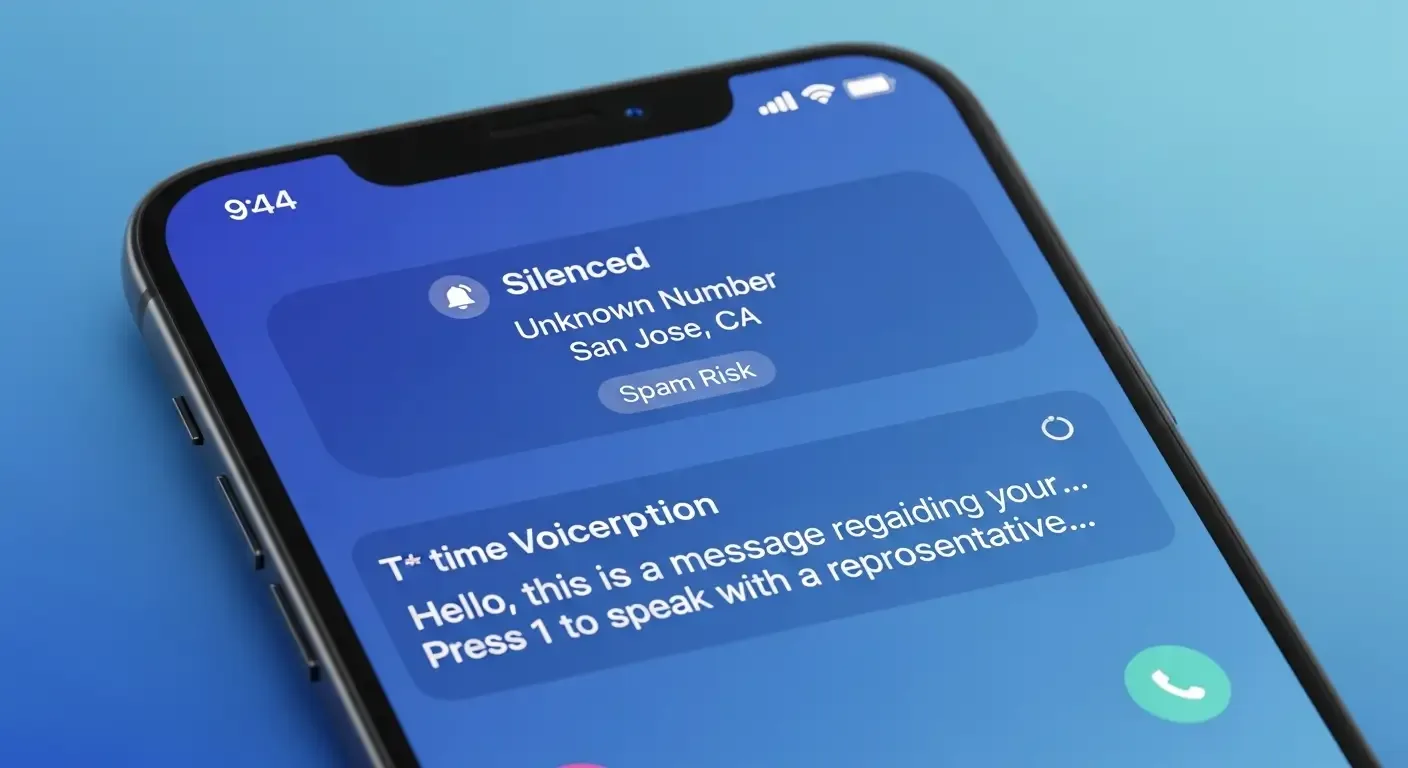
As smartphones have become the hub of communication, managing incoming calls has turned into a daily challenge for users — from unknown numbers, spam calls, to unnecessary voicemails. Smart systems and new features are being developed to deliver a safer and more efficient calling experience.
The Role of AI in Call Management
AI Assistants like Siri, Google Assistant, and other AI technologies are becoming vital in handling phone calls for modern users. These systems help “screen calls” by interacting with the caller on behalf of the user and relaying the key details in real time. For example, AI features can listen to voicemail messages, summarize their contents, and suggest instant automated replies. This marks the beginning of the “Smart Voicemail 2025” concept — saving time and minimizing unwanted interruptions.
Comparing Live Voicemail on iOS and Call Screen on Android
Both Apple and Google are innovating their approaches to call management, allowing users to take greater control of incoming calls. Below is a comparison table highlighting the main features of iOS Live Voicemail and Android Call Screen:
| Feature | iOS Live Voicemail | Android Call Screen |
|---|---|---|
| Main Function | Converts a voicemail message into text in real time as the caller speaks | AI Assistant answers calls on behalf of the user and interacts to screen them |
| Advantages | Simple to use, real-time, secured with on‑device processing | Supports multiple types of automated responses and effectively reduces spam calls |
| Limitations | Not yet available in all languages, including Thai | Some functions limited to Pixel and newer Android models |
Users can choose the system that best suits their needs — whether it’s the convenience of reading voicemail text or full-featured AI conversation and call screening capabilities.
Handling Spam in Messaging Apps (VoIP Spam)
Recently, VoIP spam through apps like WhatsApp, LINE, and Telegram has been increasing. Scammers often exploit these channels for fraud or aggressive advertising. Users should learn how to block WhatsApp spam and configure advanced privacy settings in each app. For instance:
- WhatsApp: Enable “Report Spam” and “Block” for unknown numbers
- LINE: Restrict friend additions to only existing contacts
- Telegram: Limit group invitations from non-contacts
Besides app features, some mobile carriers provide additional spam detection services that can be enabled to further enhance protection — such as “suspicious call” warnings or blocking numbers flagged as repeatedly spammy.
Personal Data Protection Act (PDPA) and Call Management
Apps or features that access contact lists, call details, or Voicemails must comply with Thailand’s PDPA (Personal Data Protection Act). The core principle is that collecting, using, and disclosing personal information always requires consent from the data owner. Users should review the permissions requested by apps accessing phone contacts and adjust privacy settings appropriately to protect their rights and prevent data leaks.
Users can learn more from the Personal Data Protection Committee (PDPC) website or mobile carrier resources to correctly configure “PDPA-compliant number blocking” according to legal standards.
AI Call Screening and Smart Voicemail 2025 Development Trends
By 2025, AI Call Screening technology is expected to become even smarter, incorporating voice and behavior recognition, integration with global spam databases, and on-device call screening that avoids cloud processing for maximum privacy. These capabilities may become standard on future smartphones from both Apple and Android.
Meanwhile, features like Smart Voicemail Summary and Smart Reply Suggestions will make call management more seamless and productive, allowing users to stay focused without constant interruptions.
Frequently Asked Questions (FAQ)
- Q: Is ‘AI Call Screening’ technology safe for personal data?
A: New systems on both iOS and Android process data on-device to reduce the risk of data exposure. - Q: How can users know if a spam warning is reliable?
A: If the alert comes from the phone manufacturer or service provider, it typically relies on continuously updated shared databases. - Q: Does blocking numbers or contacts violate PDPA regulations?
A: No, it is allowed if done to protect personal privacy or prevent harassment.
References
- Official documentation from Apple (support.apple.com) and Google (support.google.com)
- Threat trend reports from ETDA and global cybersecurity companies
- Technology analyses from The Verge, Ars Technica, and Blognone
- Information from Thai mobile carriers on spam prevention services
Summary: AI and Smart Voicemail systems are reshaping the way we handle incoming calls. Understanding the latest features in screening, spam blocking, and PDPA compliance empowers users to manage communications more safely, intelligently, and privately.