In 2025, the world of health notifications has advanced far beyond standard alerts on smartphones or smartwatches. Modern operating systems such as iOS, Android, watchOS, and Wear OS now integrate artificial intelligence (AI) to personalize notifications based on individual behaviors and health patterns more accurately than ever before.
AI-Powered Notification Setup
The standout feature of this new era is the AI-powered notification setup system that learns user habits — such as sleep time, work schedule, and exercise routine. It automatically recommends how to prioritize health app notifications and creates a smart summary so users aren’t overwhelmed throughout the day.
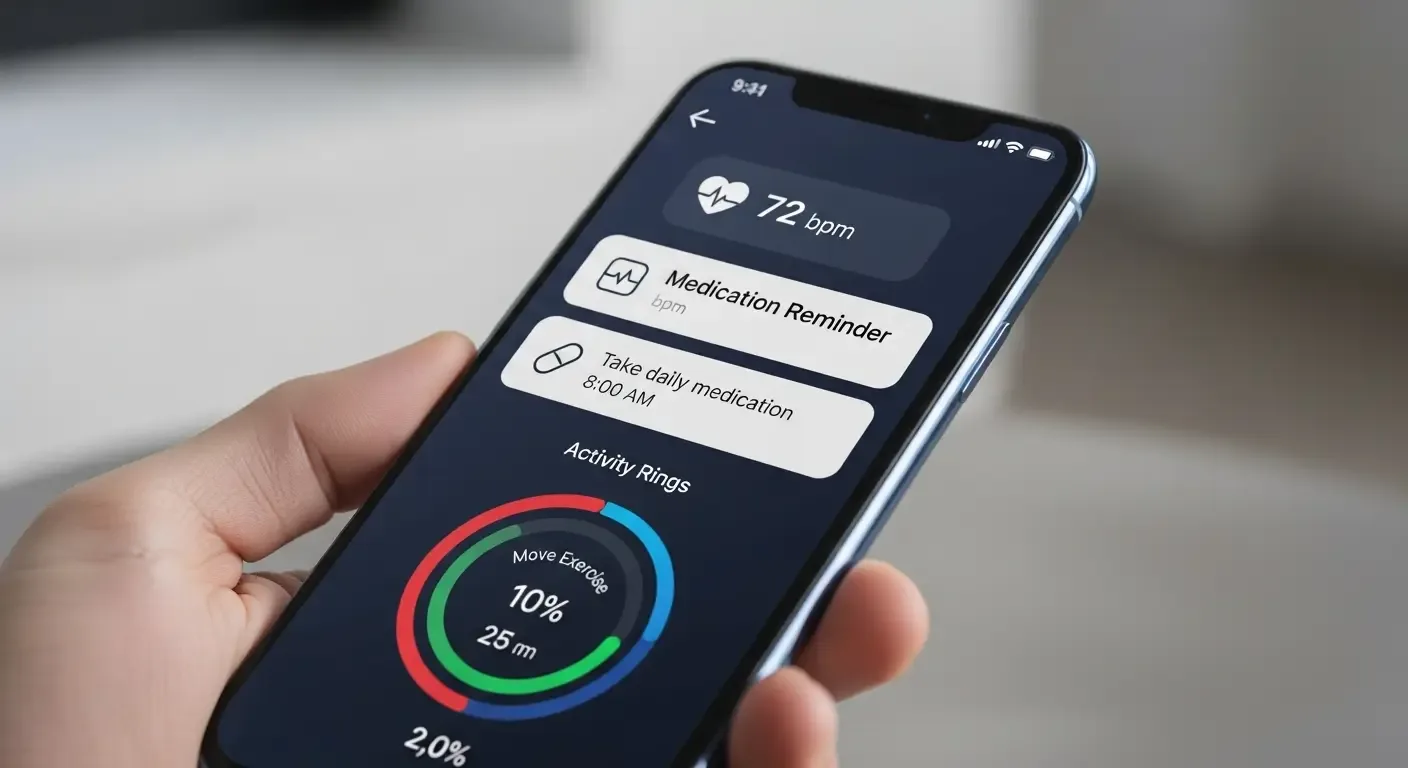
For example, if a user just finished running, the system can compile data from various health apps — heart rate, oxygen level, and recovery suggestions — into one summary. This helps users quickly understand their overall health without switching between apps.
Managing Notifications for Wearables
In the Digital Wellbeing 2025 era, wearables go beyond smartwatches to include smart rings, smart patches, and smart glasses — each with unique notification methods, such as subtle skin vibrations or messages displayed through lenses.
Managing these notifications is crucial for maintaining a balance between real-time health insights and daily peace. For instance, a smart ring may gently vibrate when stress levels rise, while smart patches can send blood glucose updates directly to a linked device.
Specialized Health Notifications in 2025
With ongoing innovations in health technology, notification systems now offer more proactive features known as proactive health alerts that empower users to take immediate action regarding their wellbeing.
- Continuous Glucose Monitoring (CGM) Alerts: Provide real-time blood glucose updates from sensors, ideal for individuals with diabetes.
- Stress Level Notifications: Use heart rate and breathing patterns to recommend breaks or meditation sessions.
- Sleep Quality Notifications: Suggest bedtime adjustments and alert when sleep cycles remain unbalanced.
Mental Health Notifications
Beyond physical wellness, mental health has become a vital focus in digital wellbeing systems. Mental health notifications are designed to be “gentle” — offering prompts like deep-breath reminders or mood journaling suggestions without creating psychological pressure.
Users can choose whether these alerts appear in daily summaries or as private, personal notifications to ensure confidentiality. For instance, a smartwatch app might remind the user to rest their eyes or join a short mindfulness session during work hours.
Best Practices for Balancing Notifications and Daily Life
- Use Focus or Intelligent Do Not Disturb modes: Clearly separate rest times from work hours.
- Only receive essential alerts: Health and safety notifications can remain active, while social ones can be grouped into summaries.
- Review your health notification history: Track trends related to stress, sleep, and physical activity over time.
FAQ: Common Questions About Smart Health Notifications
1. How does AI personalize notifications for users?
AI learns habits and lifestyle patterns, then adjusts notification timing, frequency, and content to reduce interruptions while maintaining a comprehensive view of wellbeing.
2. Will multiple wearables duplicate notifications?
The 2025 syncing system consolidates notifications from different devices into one hub. Whether using a smart ring or smartwatch, all data remains synchronized.
3. How can users protect the privacy of their health data?
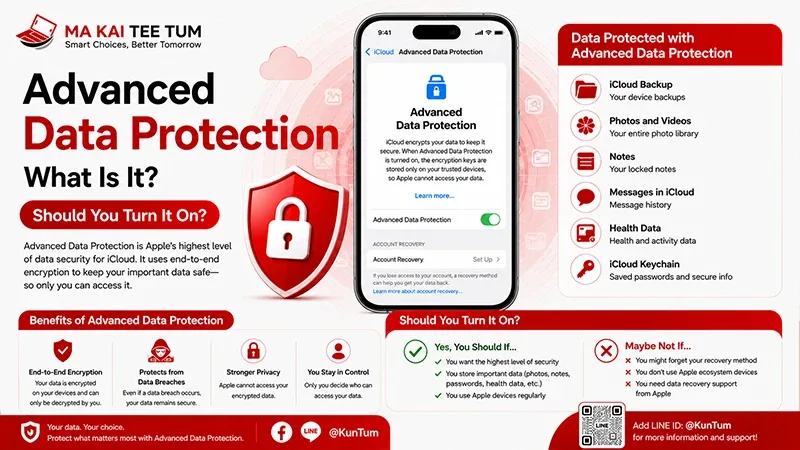
Both Apple and Google have enhanced security in iCloud Health and Google Fit, granting complete user control and implementing end-to-end encryption.
Conclusion: The Future of Health Notifications Is “Self-Understanding”
The phrase “Title Not Found” may symbolize that we have yet to find the perfect balance between technology and true health awareness. Yet with advances in AI, proactive health alerts, and next-generation wearables, we are moving toward an era where technology doesn’t just alert — it helps us listen deeply to both body and mind.
References
- Apple Support – Official documentation for iOS and watchOS
- Google Help Center – Support materials for Android and Wear OS
- The Verge, TechCrunch, Blognone – Technology insights and analyses
- Digital Medicine Society (DiMe) and WHO – Digital health technology guidelines