Though the title may appear to be an error, this so‑called “Title Not Found” takes you to essential new insights and techniques for maintaining your AirPods battery health—especially as Apple continues introducing innovations to make usage smarter and more sustainable.
What Is AirPods Battery Health and Why It Matters
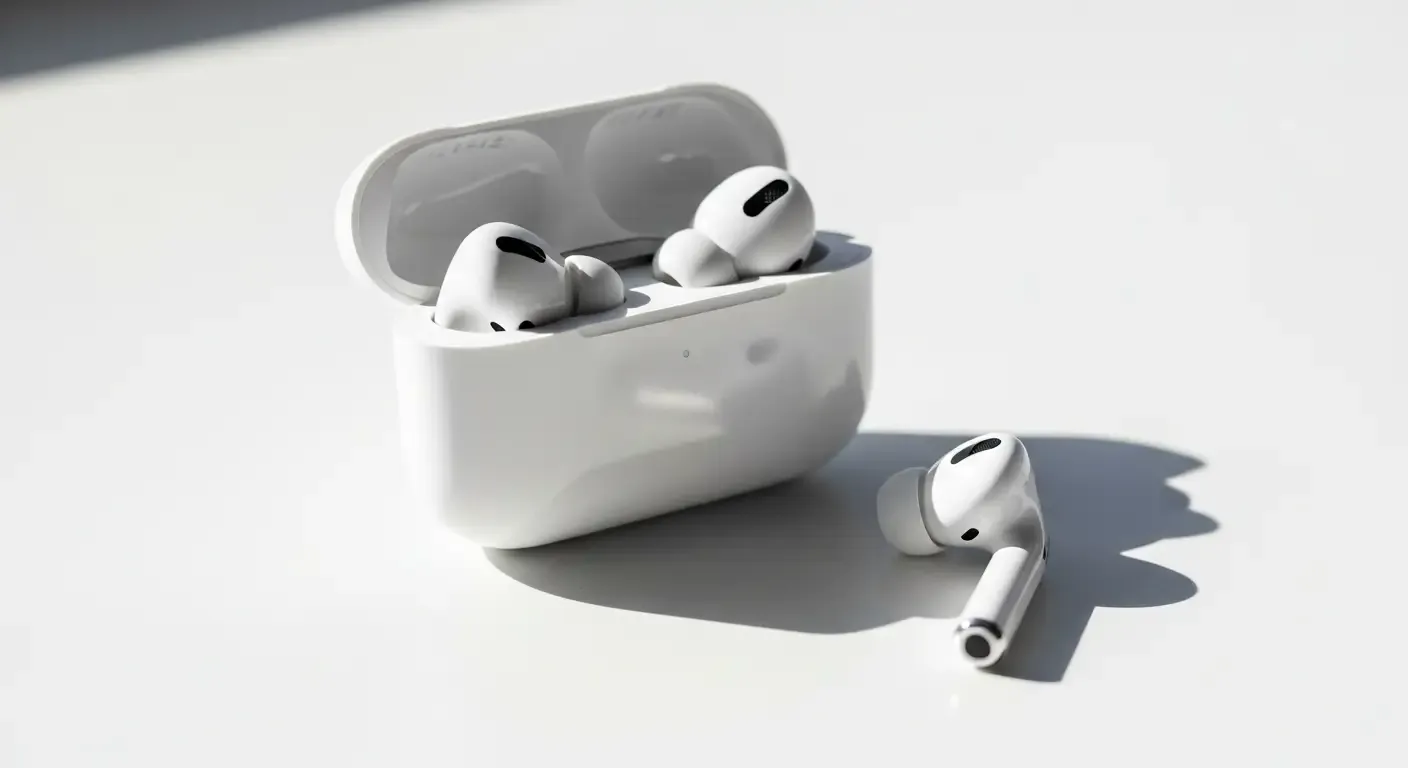
Battery Health refers to the remaining capacity of your AirPods battery compared to when it was new. Like all lithium‑ion batteries, AirPods batteries naturally degrade over time and charge cycles. Maintaining good battery health not only extends product lifespan but also reduces the need for replacements—saving both money and environmental resources.
How to Check AirPods Battery Health
Currently, AirPods don’t have a built‑in battery health percentage indicator like the iPhone. However, users can check charging and battery levels through Control Center or Battery Widgets. In future updates, Apple may introduce a dedicated AirPods Battery Health tracking feature in upcoming firmware to make monitoring easier.
How to Enable Optimized Charge Limit: Cap Charging at 80% on AirPods
One of the most anticipated features is the Optimized Charge Limit, a system that caps maximum charge at 80% to reduce heat and chemical stress on batteries. This function has been available on iPhones for several years and is expected to roll out to AirPods in future iOS updates. Activation will occur automatically as the system learns your habits, such as morning listening and overnight charging, ensuring full charge only when truly needed.
Charging AirPods Safely via USB‑C Port
Apple has gradually switched to the USB‑C port as the new standard for all AirPods models, improving convenience and charging safety. When charging via USB‑C, use cables and adapters that support the Power Delivery (PD) standard to ensure proper voltage and current, preventing overheating and ensuring safe, efficient charging.
- Choose Apple‑certified (MFi) adapters
- Avoid cheap or unverified cables lacking safety standards
- Keep the USB‑C port clean and free of dust or debris
Clean Energy Charging
The Clean Energy Charging feature is another Apple innovation—first introduced on iPhone and potentially linked to AirPods in the future. It works by timing charges for periods when the local grid draws more from renewable sources such as solar or wind energy. This helps reduce users’ daily carbon footprints and supports Apple’s wider sustainability goals.
When Should You Replace AirPods Batteries?
Typically, AirPods batteries last around two to three years, depending on usage. If your AirPods no longer reach full charge, deplete quickly, or disconnect frequently, these may be signs of battery aging.
Apple offers a dedicated Battery Service program for replacing AirPods batteries, with costs varying by model such as AirPods Pro or AirPods 3. Additionally, independent repair services are increasingly available under the Right to Repair policy, giving users more affordable maintenance options.
General Tips to Preserve AirPods Battery
Prolonging battery life isn’t difficult if you follow simple principles—avoid heat, keep devices dry, and don’t leave them charging indefinitely. Here are some key tips:
- Always store AirPods in their case when not in use
- Avoid leaving AirPods or the case in hot environments, such as inside a car under sunlight
- Use Optimized Charge Limit when available
- Keep your AirPods firmware updated for the best performance
Conclusion: The Future of AirPods Charging
AirPods charging technology is evolving rapidly on both hardware and software fronts—from adopting USB‑C as a universal standard to charge‑limiting features that protect batteries and integration with clean energy systems. Altogether, these efforts reflect Apple’s commitment to building durable, sustainable, and environmentally responsible products.
FAQ: Frequently Asked Questions
Q1: Do AirPods currently support an 80% charge limit?
Not yet, but it is highly expected to debut in upcoming iOS and firmware versions.
Q2: What kind of USB‑C cable is safest for charging?
Use Apple‑certified or MFi‑approved cables and adapters supporting PD standards.
Q3: Does Clean Energy Charging apply to all AirPods?
Currently it’s available on iPhones, but Apple may extend its compatibility to peripherals like AirPods in the future.
References
- Apple Support (Thailand): Batteries – Maximizing Performance
- MacRumors / 9to5Mac: For updates on new AirPods and iOS features
- iFixit: For teardown insights and Repairability Scores