The Evolution of iPhone Design Takes a Leap
Apple has consistently pushed the boundaries of smartphone design, tirelessly innovating in display technology and user interaction. Each new iPhone generation brings subtle yet significant refinements, often hinting at a grander vision. This year, attention is turning to the highly anticipated iPhone 18 Pro, with a flurry of intriguing rumors suggesting a monumental leap: the integration of Face ID directly beneath the display. This potential shift raises a crucial question about the fate of another beloved feature, the Dynamic Island. In this article, we will delve into the underlying technology enabling under-display Face ID, explore its potential benefits for users, examine the significant technical and manufacturing challenges Apple faces, and discuss what these transformative changes could mean for the future of iPhone design and user experience.
Understanding Under-Display Face ID: A Seamless Future?
2.1 What is Under-Display Face ID?
Under-display Face ID refers to the revolutionary concept of integrating the entire facial recognition system directly beneath the device’s screen. The primary goal of this technology is to eliminate the need for visible notches or punch-holes that currently house the TrueDepth camera system. By doing so, Apple aims to achieve a truly full-screen, uninterrupted display, maximizing the usable screen real estate and delivering a more immersive visual experience.
2.2 How Face ID Works (The Core Technology):
At its heart, Face ID operates by projecting tens of thousands of invisible infrared (IR) dots onto a user’s face, creating a detailed 3D depth map. Simultaneously, an infrared image of the face is captured. This raw data is then transformed into a unique mathematical representation by the device’s neural engine. For authentication, this representation is securely compared with the enrolled facial data stored within the Secure Enclave. Face ID is engineered for remarkable adaptability, capable of recognizing a user despite changes in appearance such as makeup or facial hair, and functions reliably across various lighting conditions, including total darkness. It even accommodates accessories like hats and many types of sunglasses.
2.3 The Patented Approach for Under-Display Integration:
For Face ID to function effectively beneath the display, Apple has explored and patented innovative methods to allow infrared light to pass through the screen. One such approach involves strategically removing minuscule subpixels (red, green, or blue) within the display panel in the precise area where the sensors are located. These subpixels are reportedly so tiny that their absence would be visually unnoticeable to the user, with neighboring subpixels compensating to maintain overall display quality. This creates micro-pathways for the infrared scanner to transmit and receive light. Furthermore, modifications to associated wiring and the touch-sensitive mesh, alongside optimization of horizontal and vertical control lines, are crucial to creating continuous open areas, thereby reducing diffraction and improving the overall IR light transmission efficiency.
LTPO+ Display Technology: Powering the Innovation
3.1 What is LTPO+?
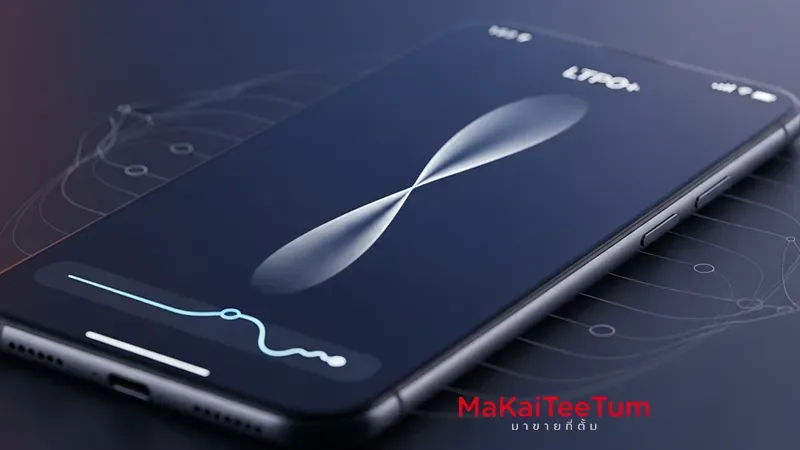
LTPO+ represents an advanced iteration of Low-Temperature Polycrystalline Oxide display technology. This sophisticated panel technology utilizes a hybrid backplane, combining the benefits of LTPS (Low-Temperature Poly-Silicon) and Oxide thin-film transistors. This unique combination allows for superior power efficiency and dynamic performance compared to traditional display technologies.
3.2 Key Benefits of LTPO+ for iPhone 18 Pro:
- Extended Battery Life: A standout advantage of LTPO+ is its ability to significantly reduce power consumption. It achieves this through dynamic refresh rates, seamlessly switching from as low as 1Hz for static content (like an Always-On Display) to a blazing 120Hz for fluid scrolling, gaming, and animations. This intelligent adaptation can lead to battery life improvements of 15-20% according to some reports.
- Smoother Visuals: The adaptive high refresh rates provide a noticeably more fluid, responsive, and engaging user experience. Whether navigating through apps, browsing the web, or playing graphically intensive games, the visuals appear exceptionally smooth.
- Enhanced Always-On Display: LTPO+ is instrumental in enabling an efficient Always-On Display. By allowing the screen to drop its refresh rate to just 1Hz for static information such as the time or notifications, it can display essential details with minimal battery drain, making the feature more practical and less taxing on the device’s power reserves.
- Reduced Eye Strain: The intelligent adjustment of refresh rates can also contribute to a reduction in eye fatigue. By adapting the refresh rate to the content, LTPO+ displays can help mitigate the flickering that sometimes occurs at lower, fixed refresh rates, leading to a more comfortable viewing experience over extended periods.
The Dynamic Island’s Uncertain Fate
4.1 Current Rumors and Speculations:
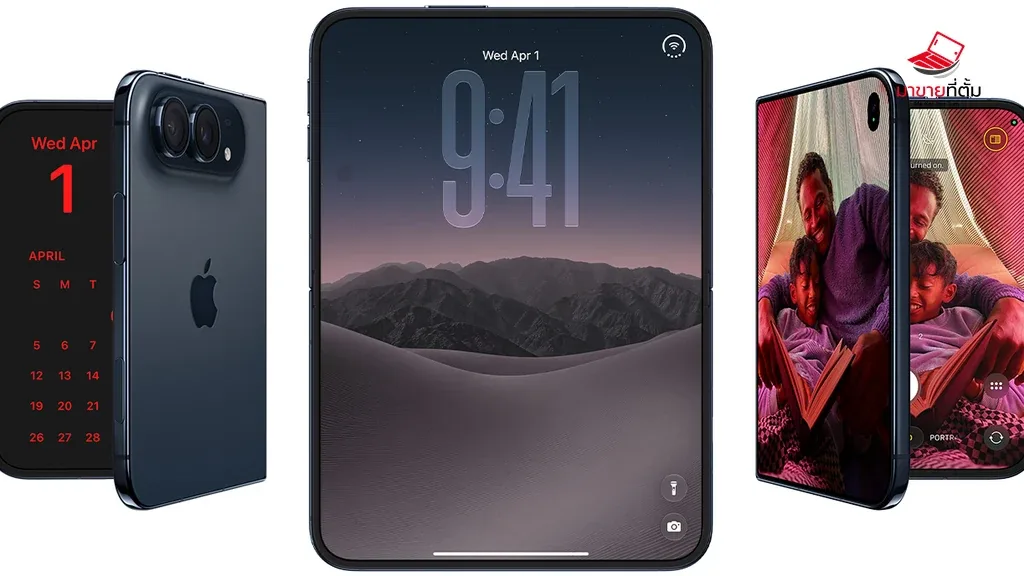
Reliable reports concerning the iPhone 18 Pro suggest a significant rearrangement of its front-facing components. It is widely rumored that the front-facing camera will be relocated to the upper-left corner of the display. Crucially, the infrared sensors for Face ID are expected to move under the display, fulfilling a long-standing desire for a cleaner screen aesthetic. The central and most intriguing unanswered question, however, remains: How will Apple incorporate or evolve the Dynamic Island given these changes?
4.2 Conflicting Reports on Dynamic Island’s Evolution:
The future of the Dynamic Island is currently subject to conflicting reports and speculation. Some rumors hint at a “shorter” Dynamic Island or a more minimal cutout, suggesting a reduced physical presence. Others speculate that it could transition from its current physical “pill” shape to a more context-aware, software-driven feature. This could mean the Dynamic Island might only appear for specific functions such as Live Activities and “now playing” information, remaining completely hidden otherwise. Such a truly “dynamic” behavior would align with Apple’s pursuit of a seamless, immersive display, making the feature appear only when relevant and disappearing when not needed, contributing to an uninterrupted full-screen experience.
Challenges of Under-Display Face ID Implementation
5.1 Significant Technical Hurdles:
- Infrared Light Transmission: The primary technical hurdle is ensuring that infrared (IR) light can pass efficiently through the multiple layers of an OLED display. Display components inherently absorb and scatter IR light, which can severely degrade the signal crucial for accurate 3D facial mapping. This inefficiency directly impacts the speed and precision of Face ID.
- Maintaining Display Quality: A critical challenge is to integrate the under-display sensors without compromising the visual integrity of the screen. Apple must ensure consistent brightness, color accuracy, and avoid any visible imperfections, “screen door” effects, or noticeable variations in the display area above the sensor, which has been a common issue with early under-display camera technologies.
- Accuracy and Security: Upholding Apple’s stringent standards for Face ID’s precision and security is paramount. Placing components under the display introduces variables that can affect clean signal transmission. This might necessitate a reduction in tolerance at extreme angles to maintain security thresholds, potentially impacting usability in certain scenarios, such as when wearing specific accessories or attempting to unlock the phone at awkward angles.
- Reliability and Longevity: The long-term reliability of under-display sensors poses concerns. Subtle sensor misalignments, which might not be immediately apparent, could lead to intermittent failures weeks or months after use, potentially being misattributed to software issues by users. Such calibration drift over time is a “two-year ownership concern,” highlighting the need for robust engineering to ensure consistent performance throughout the device’s lifespan.
5.2 Manufacturing Complexity:
Beyond the technical challenges, mass-producing under-display Face ID components presents immense manufacturing complexity. Achieving acceptable production yields requires highly specialized materials and incredibly precise manufacturing processes. Only a limited number of display manufacturers currently possess the advanced capabilities and stringent engineering expertise required to meet Apple’s exacting demands for such a complex integration at scale.
User Experience: Pros & Cons of the New Design
6.1 Advantages for Users:
The move towards under-display Face ID and a potentially evolved Dynamic Island promises several significant advantages for users. Foremost among these is a significantly more immersive and uninterrupted full-screen viewing experience, as the absence of visible cutouts maximizes the display area. This also contributes to a cleaner, sleeker, and more minimalist aesthetic for the device’s front. Furthermore, thanks to the efficiency improvements offered by LTPO+ display technology, users can anticipate even better battery life, allowing for extended use throughout the day.
6.2 Potential Drawbacks and Considerations:
While the benefits are compelling, there are potential drawbacks and considerations. Initial concerns may arise regarding Face ID accuracy or speed, especially at challenging angles or when using specific accessories, until the technology proves its reliability in real-world scenarios. Users might also experience an adjustment period if the Dynamic Island’s functionality or visibility changes dramatically, requiring them to adapt to new interaction patterns. It’s also worth noting that while under-display Face ID is on the horizon, the complete integration of the selfie camera beneath the display remains a future, more complex challenge that will likely arrive in subsequent iPhone generations.
Preparing for the Next Generation: Your iPhone Upgrade Journey
The continuous cycle of innovation at Apple makes upgrading to new iPhones an exciting prospect. As you consider embracing groundbreaking technologies like under-display Face ID and an evolved Dynamic Island in the rumored iPhone 18 Pro, it’s a wise decision to plan for your current device. Making the switch can be seamless, and ensuring you get the best value for your existing Apple products is key.
MaKaiTeeTum: Your Trusted Partner for Selling Your Apple Devices
At MaKaiTeeTum, we understand the true value of your pre-loved Apple products. We are dedicated to helping you get the best price for your current iPhone, iPad, MacBook, iMac, or Apple Watch. Our commitment is to offer higher prices than competitors, conduct honest and transparent appraisals without undervaluing your device, and ensure a fast, secure, and hassle-free process.
Experience a seamless selling journey with MaKaiTeeTum. You can get an instant price evaluation through our website, schedule a convenient pickup at your home, condo, or office, and receive immediate payment either in cash or via bank transfer upon inspection. Don’t let your current iPhone lose its value while you eagerly await the next big technological advancement. Take the smart step today!
Call to Action: Don’t wait! Check the price of your current iPhone with MaKaiTeeTum today and take the first step towards your iPhone 18 Pro!
Contact MaKaiTeeTum:
- Website: makaiteetum.com
- LINE OA: @KunTum
- Phone: 08-1154-5496
Conclusion: A Glimpse into Apple’s Future Vision
The rumors surrounding the iPhone 18 Pro’s under-display Face ID and the evolving Dynamic Island paint a vivid picture of Apple’s relentless pursuit of a truly bezel-less, immersive user experience. These innovations are not just about aesthetics; they represent significant engineering feats that push the boundaries of current smartphone technology. By integrating critical components beneath the screen and dynamically adapting user interface elements, Apple is paving the way for future iPhone designs that prioritize seamless interaction and an unencumbered display. As users, we stand at an exciting intersection of technological advancement and readiness for what’s next, eagerly anticipating how these rumored changes will redefine our relationship with the devices we use every day.